Serving Moreno Valley, CA and surrounding areas.(951) 647-5520
Moreno Valley Concrete Pro

Foundation Raising in Moreno Valley, CA to Correct Settling Basin Clay Pads

Moreno Valley Concrete Pro lifts sunken foundation slabs against dry clay soil shrinkage across Moreno Valley. Every estimate is measured and written on site

Google reviewsFacebook reviewsBetter Business Bureau reviews5.0 Stars Rated by our customers · Google, Facebook and the BBB
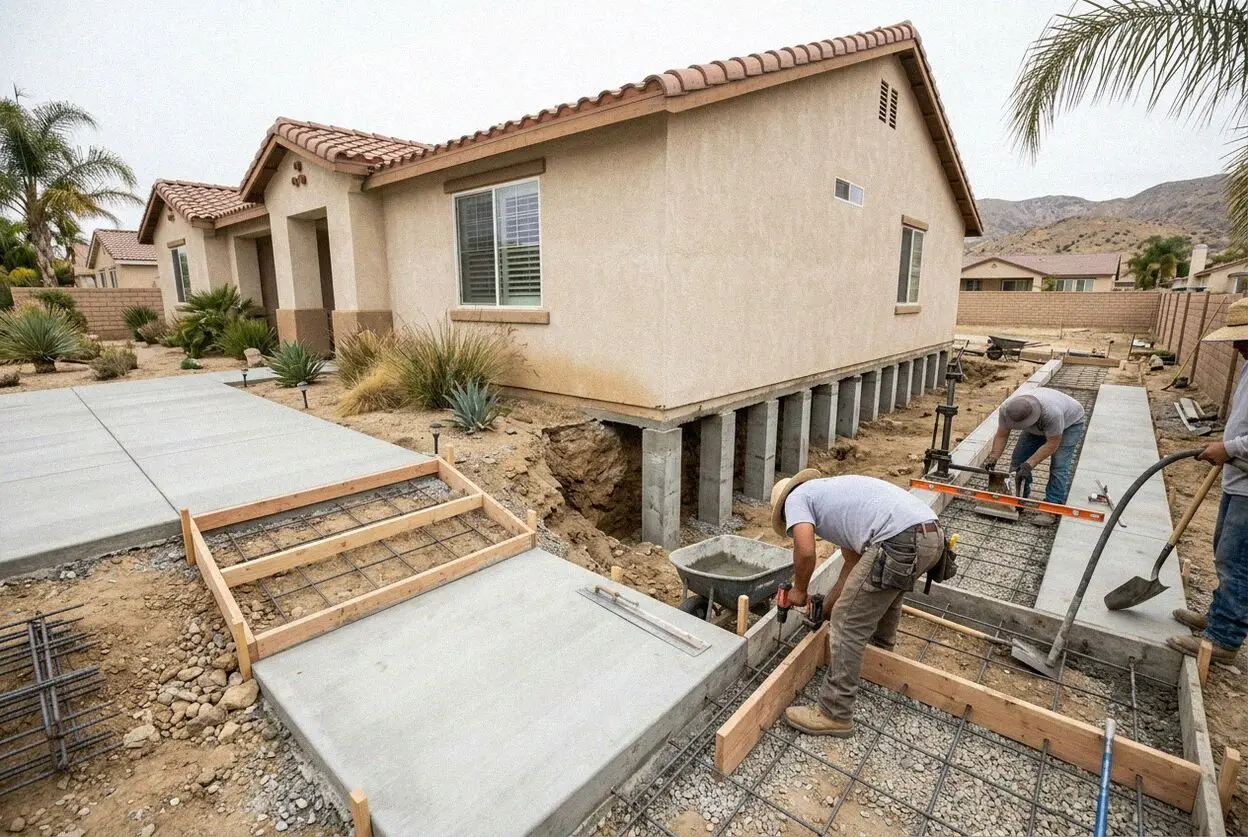
Foundation raising crew leveling a residential slab in Moreno Valley
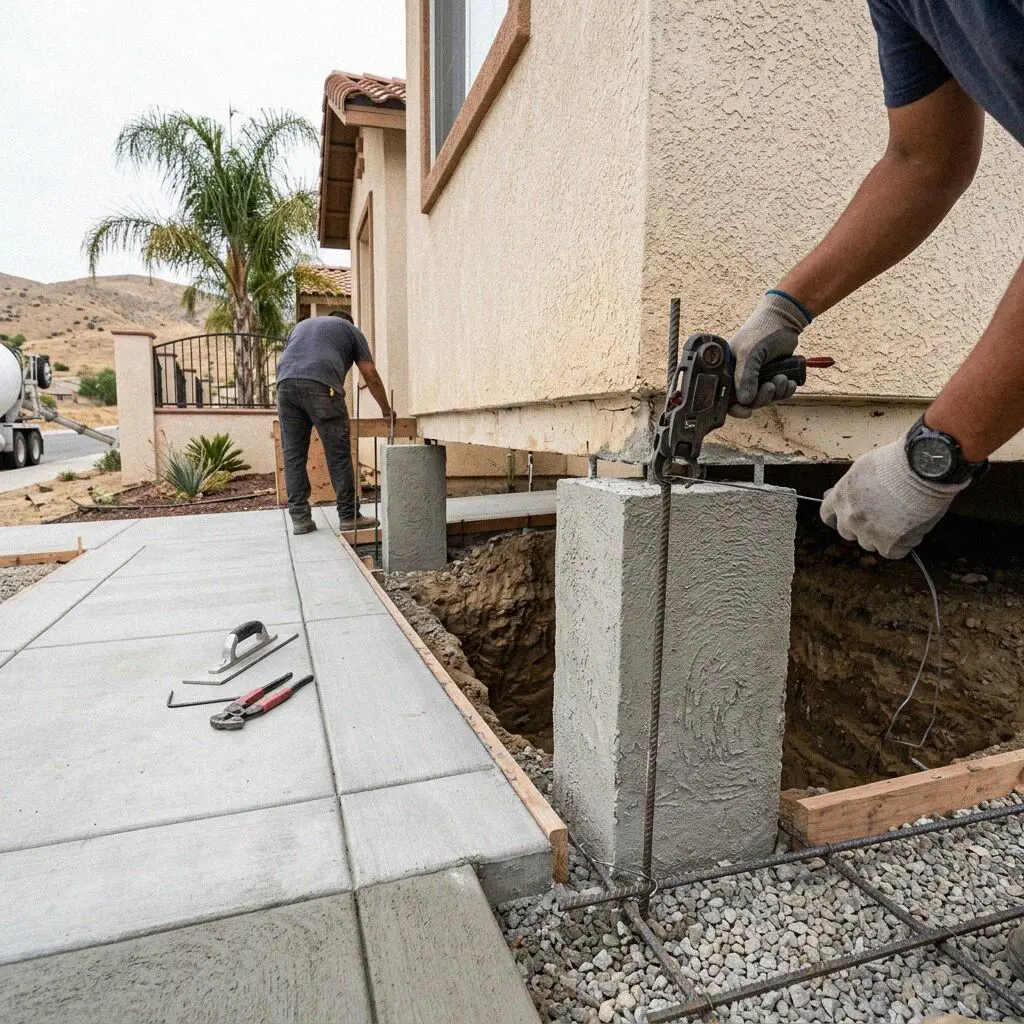
Hydraulic jacks raising a sunken residential slab in Moreno Valley

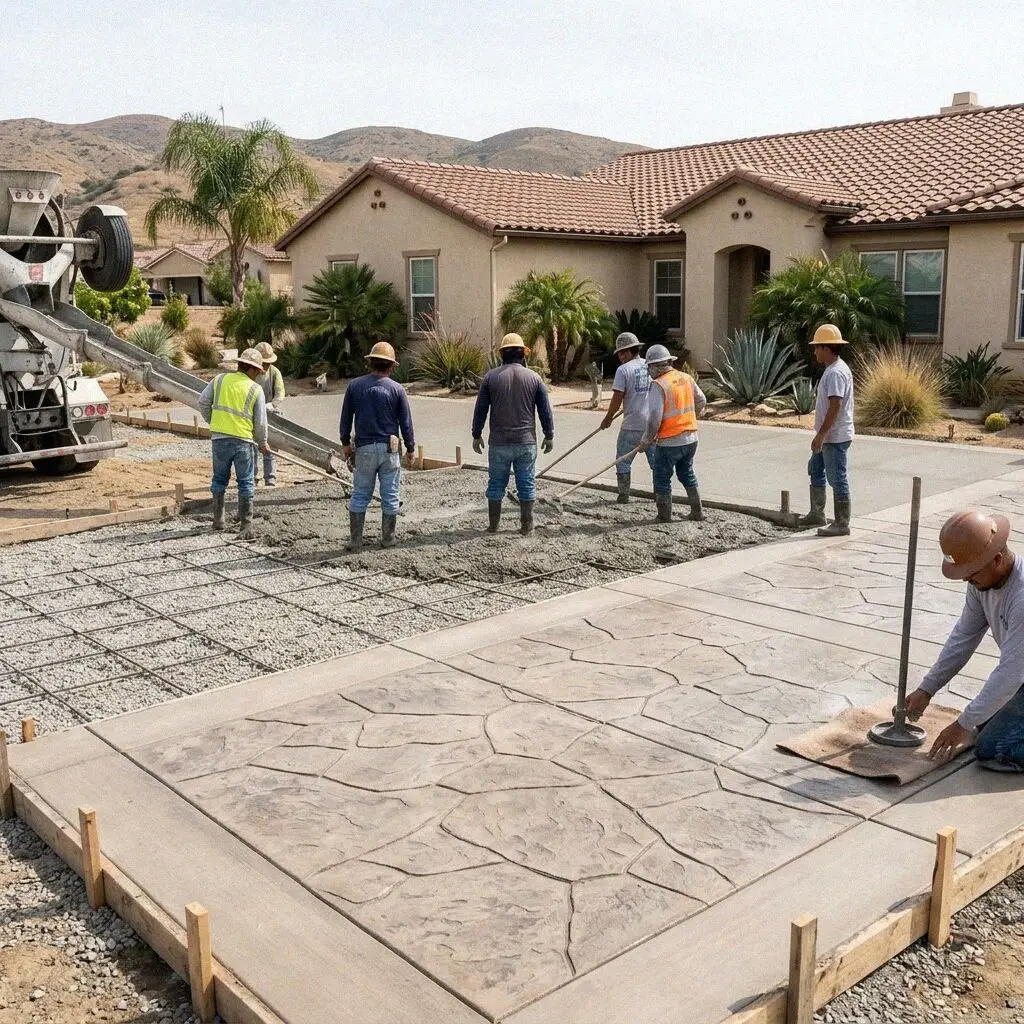
Slab Support

How We Raise a Settled Home Pad in Moreno Valley

Expansive clay soils across the Inland Empire shrink during long rainless summers, leaving empty pockets beneath perimeter footings and concrete slabs. Terrence Boyd brought 12 years of structural concrete experience to the area before establishing Moreno Valley Concrete Pro in 2022 to solve recurring foundation drop. Homes built across Riverside County frequently experience uneven settlement when moisture drains away from the native subgrade.

Data from the USDA Web Soil Survey confirms high shrink and swell potential in local surface soils, which creates differential movement under load bearing walls. Rather than breaking apart sound interior floors with destructive tear outs, our crew excavates beneath specific structural points, installs heavy gauge steel underpinning brackets, and uses calibrated hydraulic pumps to raise the settled sections back to level tolerance.

Operating under California Contractors State License Board classification CSLB C-8, our crews carry liability insurance on every job. Every lift is monitored with digital levels to confirm the floor returns to flat alignment without stressing plumbing or framing. Work finishes with a written workmanship guarantee against defects in how it was built to secure the foundation against future moisture movement.


Slab Movement

When does a Moreno Valley foundation need raising?

Interior doors sticking

Interior door frames shift out of square when the slab below settles unevenly. You will notice latch bolts failing to catch strike plates or doors rubbing against upper jambs. Ignoring misaligned frames allows continued settlement to crack drywall and distort wall framing.

Exterior stem wall cracks

Homes constructed in the 1980s across local tracts often sit on perimeter footings that dry out during 100 degree summer heat waves. As moisture drops 4 feet below grade, perimeter stem walls crack diagonally. Unchecked settlement pulls exterior stucco away from foundation corners.

Baseboard gap separation

Baseboard trim separating from finished flooring often looks like wood shrinkage, but it signals the slab dropping beneath interior partition walls. Leaving this gap unaddressed allows the concrete pad to sink further over 6 months, pulling hidden plumbing lines apart underneath.

Sloping hallway floors

Floors sloping more than 1 inch across a 10 foot span present a trip hazard and show structural subgrade failure. Waiting 3 months to lift the slab allows soil voids to expand, requiring deeper mechanical piers and double the excavation time once work finally begins on site.

Standard Scope

What Every Moreno Valley Foundation Lift Includes

Every foundation raising project restores settled concrete slabs to stable grade while protecting structural framing, underground utilities, and perimeter grade drainage across local residential lots.

Excavation and access

Soil is excavated by hand around targeted footing locations down to solid bearing strata, preventing unnecessary landscape damage.

Subgrade soil testing

Load bearing soil density is tested at footing depth, and unstable clay pockets are excavated before installing structural brackets.

Base pad preparation

Footing contact areas are chipped smooth and coated with bonding prep, preventing point load shear when hydraulic force is applied.

Steel underpinning piers

High strength steel resistance piers rated for 50000 pounds come standard, with helical pier extensions available for soft sandy clay.

Bracket collar lockoffs

Heavy steel bracket assemblies are bolted to footings with anchor bolts, stopping future slippage along exterior foundation corners.

Deep strata anchoring

Piers drive through seasonal moisture layers down to stable load strata 15 feet deep, eliminating recurring dry summer drop.

Backfill and compaction

Excavated soil is replaced, mechanically compacted in 6 inch lifts, and checked for positive grade slope away from the exterior wall.

Written guarantee

Every lift is backed by a written workmanship guarantee against defects in how it was built for the work performed on site.

Method Choices

Moreno Valley Foundation Raising Options Compared

Choosing the right stabilization method depends on local soil depth, the extent of slab settlement, and whether the primary drop occurred along perimeter footings or across the interior floor slab.

OptionLifespanTarget PropertyMaintenanceLifting Time
Steel Push Piers30 to 50 yearsSingle-family homes with perimeter dropVisual inspection every 5 years2 to 3 working days
Helical Screw Piers40 to 60 yearsDeep clay soil zones and heavy loadsZero maintenance required3 to 4 working days
Concrete Underpinning25+ years in stable soilsOlder 1970s tract housing with shallow padsCheck drainage slope every 2 years4 to 6 working days
Polyurethane Foam Lift10 to 15 yearsInterior slab voids with limited accessMaintain site moisture controls1 to 2 working days

Our on-site evaluation measures structural deflection and soil depth before recommending the most durable lifting method for your property.

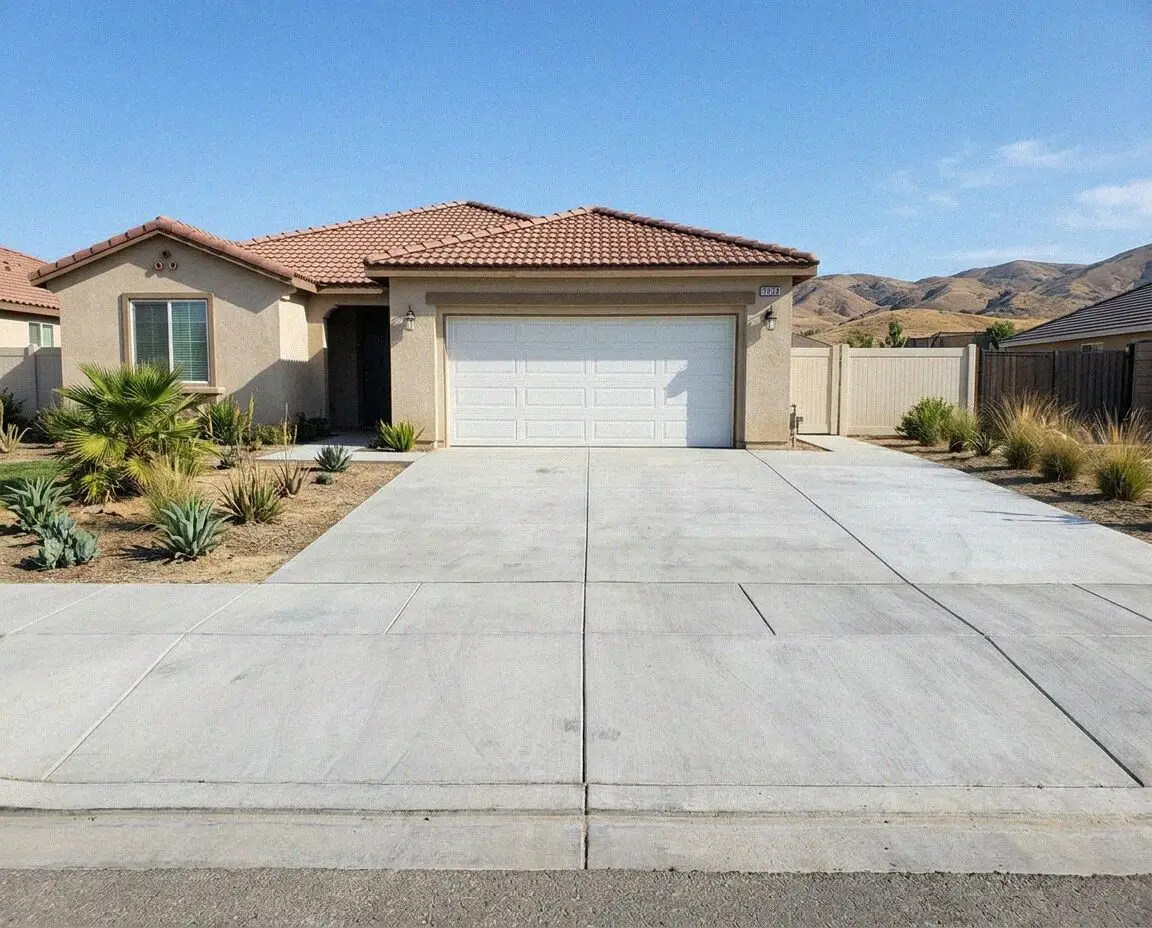
Foundation raising excavation at a residential home in Moreno Valley

Regional Soils

Why Foundations Settle Across Moreno Valley

Summer temperatures reaching 105 degrees desiccate native clay down to 5 feet, creating subgrade shrinkage that drops perimeter footings.

With owner-occupied homes at 60.5 percent across Moreno Valley, preserving residential equity requires addressing slab settlement before structural framing sustains permanent deflection. Research from the Portland Cement Association demonstrates that unsupported concrete slabs develop shear cracks when subgrade support drops by even a fraction of an inch. Local residential tracts built during rapid expansion phases frequently rest on clay pads vulnerable to deep moisture loss.

In Riverside County, seasonal rain events deliver sudden runoff after months of extreme drought, saturating the perimeter of foundations while interior subgrades stay completely dry. This moisture imbalance causes uneven hydraulic pressure, lifting outer footings while central interior slabs remain depressed. Raising the sunken sections and seating steel piers into load bearing strata provides permanent support that ignores these ongoing surface moisture fluctuations.

Our Workflow

Five Steps to Raise a Moreno Valley Foundation

Every foundation raising project follows a systematic engineering procedure to safely lift the slab, protect plumbing connections, and permanently stabilize the structure against future soil movement.

1

Elevation measurement

We map interior floor elevations using high precision digital levels to record exact slab drop within 0.1 inch across every room.

2

Permits and scheduling

We select the pier configuration, file plans with the local building department, and confirm your project start date within 10 days.

3

Footing excavation

Crews excavate hand access pits down to footing bases, inspect concrete integrity, and haul surplus spoil to certified recyclers.

4

Hydraulic pier driving

Steel piers drive to bedrock bearing pressure under continuous CSLB C-8 supervisor review, raising the slab back to level plane.

5

Backfill and signoff

We backfill access pits, compact the soil, conduct a final floor level walk-through, and provide complete engineering documentation.

Cost Drivers

What Shapes a Foundation Raising Quote in Moreno Valley

Foundation raising estimates reflect the depth of stable load bearing strata, the structural mass of the home, the number of required support points, and how easily our crew can access exterior footing perimeters.

Single-family tract home

Standard single-story tract layouts require fewer pier locations along settled perimeter zones, keeping project timelines short.

Multi-family buildings

Heavier two-story multi-unit buildings increase structural dead load, requiring deeper pier depths and higher hydraulic capacity.

Difficult site access

Narrow side yards, steep slope setbacks, and retaining walls limit machine access, requiring manual excavation that adds field labor.

Helical bracket systems

Severe soil desiccation requires engineered helical pier torque extensions, which can only be calculated during on-site soil resistance tests.

Accurate foundation assessments require physical site measurements. Every estimate is measured and written on site (951) 647-5520 or send us a message.

Schedule Your On-Site Foundation Evaluation

Book an on-site structural elevation inspection for your property. Terrence Boyd assesses foundation settlement, explains structural pier options, and provides a clear written plan to stabilize your home.

Request a Free Estimate

Written on site · No obligation

By submitting, you agree to our disclosure and consent terms, including being contacted by Moreno Valley Concrete Pro.

Recent Reviews

What Moreno Valley Homeowners Say About Our Work

Read how local property owners stabilized their settling foundations, corrected sloping interior floors, and protected their home structures across Moreno Valley.

Google review

“Our back bedroom floor had settled almost 2 inches toward the patio after summer heat dried out the soil. The crew placed 5 steel piers down 14 feet and lifted the slab back to level over 2 days. The sticking door frame finally closes smoothly without catching.”

M. Ramirez, Moreno ValleyFoundation Raising · Google · 2025
Google review

“Access along our side yard was barely 4 feet wide between the fence and stem wall. The team worked through tight clearances to install 8 helical piers under our two-story addition, leveling the foundation in 3 days. Clean excavation and no landscape damage.”

J. Okafor, Moreno ValleyFoundation Underpinning · Google · 2026
Facebook review

“The detailed walk-through showed our foundation was back within 0.1 inch of original grade. When I called with a question about exterior drainage a week later, the team answered immediately. The written guarantee gave us complete confidence in the fix.”

S. Whitfield, Moreno ValleyFoundation Piering · Facebook · 2026

Common Queries

Foundation Raising Questions Asked in Moreno Valley

Straightforward answers about foundation raising methods, local permitting, working timelines, and our workmanship guarantee for Moreno Valley homeowners.

(951) 647-5520
  • What affects the cost of foundation raising?

    Total cost depends on the number of structural piers needed, the depth required to reach load bearing soil, and accessibility around your perimeter footings. Single-story homes settling in a corner require fewer support points than multi-story properties with deep interior floor drops. We never quote flat estimates without inspecting the site because local soil conditions dictate pier depth.

  • How long does foundation raising take in Moreno Valley?

    Most residential foundation lifts take 2 to 4 working days to complete. Narrow side yard access, deep excavation through compacted clay, or complex corner footings can extend field labor by an extra day. Once piers are driven and the slab is raised back to grade, the structural support is immediate, allowing normal household use without waiting for long concrete curing periods.

  • What is included in foundation raising services?

    Every project covers physical elevation mapping, hand excavation, structural pier installation, hydraulic lifting, backfill compaction, and site cleanup. Line items that homeowners often expect to be extras include soil testing at footing depth and digital floor leveling verification before hand-off. Every phase is detailed clearly on your written estimate before work begins on site.

  • Do I need a building permit for foundation raising?

    Yes, structural foundation underpinning requires a permit issued by the City of Moreno Valley Community Development Department. Our team prepares the required engineering documentation, submits foundation plans, and coordinates mandatory city inspections. Work that never needs structural permits, like minor surface caulking, does not resolve underlying footing settlement.

  • What is the ideal season to raise a foundation here?

    Spring and late autumn offer ideal conditions for foundation lifting before extreme summer heat desiccates the subgrade. Summer temperatures reaching 105 degrees bake surface soil dry, making manual hand excavation around perimeter footings significantly harder. Winter downpours can flood open access pits, requiring extra pumping days before hydraulic piers can be seated.

  • What guarantee protects the foundation raising work?

    Workmanship is backed by a written workmanship guarantee against defects in how it was built. Steel piers carry manufacturer warranties up to 30 years against material failure. The guarantee does not cover unrelated foundation movement caused by unmanaged plumbing leaks, extreme soil erosion, or earthquakes, ensuring homeowners understand the exact physical boundaries of our structural coverage.

  • Which piering materials and equipment do you use?

    We install heavy gauge steel push piers and helical screw systems manufactured from galvanized structural steel for long corrosion resistance. Dual cylinder hydraulic lift systems allow coordinated lifting across multiple footing brackets simultaneously, preventing uneven stress on framing. Calibrated digital elevation sensors verify millimeter accuracy throughout the lift.

  • Do I need to stay home during the foundation lift?

    You only need to be present for the initial morning walkthrough and the final elevation review at completion. Before crews arrive, please clear vehicles from the driveway and ensure gates to side yards remain unlocked. Interior access is required periodically to monitor floor levels. If questions arise during the day, Terrence Boyd is reachable within 1 business day to discuss progress.

Coverage Area

Foundation Raising Beyond Moreno Valley, CA

We stabilize sunken slabs and residential foundations across Riverside County, bringing dedicated hydraulic piering equipment to neighboring Inland Empire communities.

Show All Areas We Serve

Restore Your Moreno Valley Foundation Today

Schedule an on-site inspection to measure your foundation elevation drop and check perimeter soil moisture. We return all inquiries within 1 business day with a clear plan to stabilize your home.