Serving Moreno Valley, CA and surrounding areas.(951) 647-5520
Moreno Valley Concrete Pro

Concrete Steps Construction in Moreno Valley, CA for Graded Pad Transitions

Moreno Valley Concrete Pro anchors concrete steps into stable footings to resist movement in local clay soils. Every estimate is measured and written on site

Google reviewsFacebook reviewsBetter Business Bureau reviews5.0 Stars Rated by our customers · Google, Facebook and the BBB
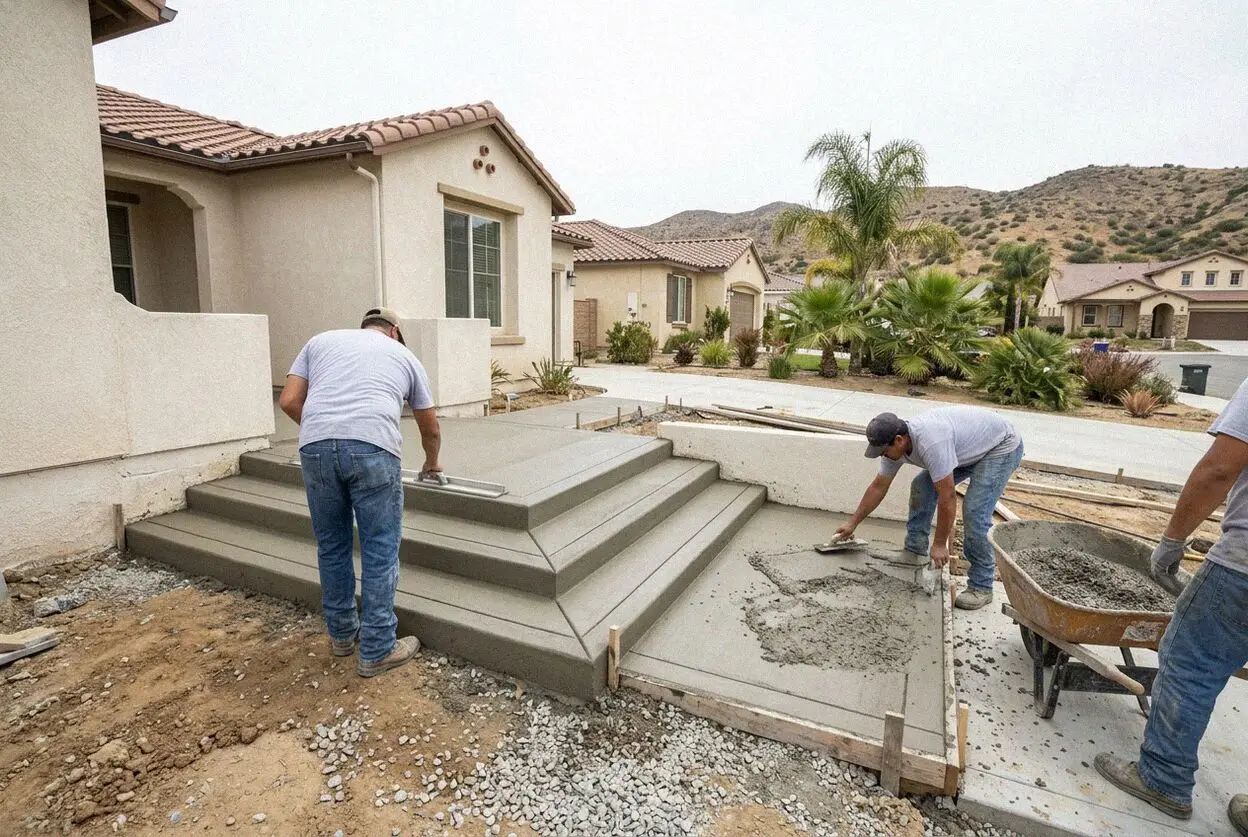
Pouring reinforced front concrete steps at a home in Moreno Valley
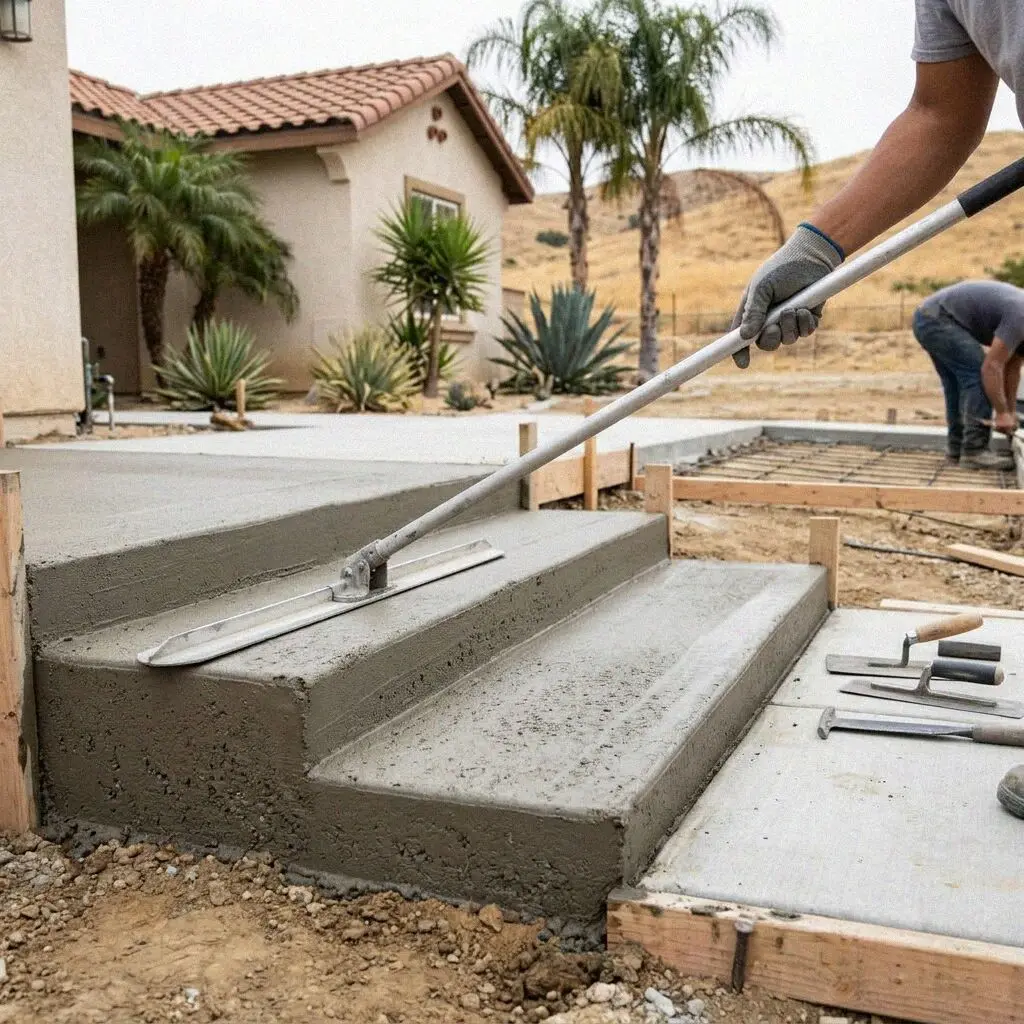
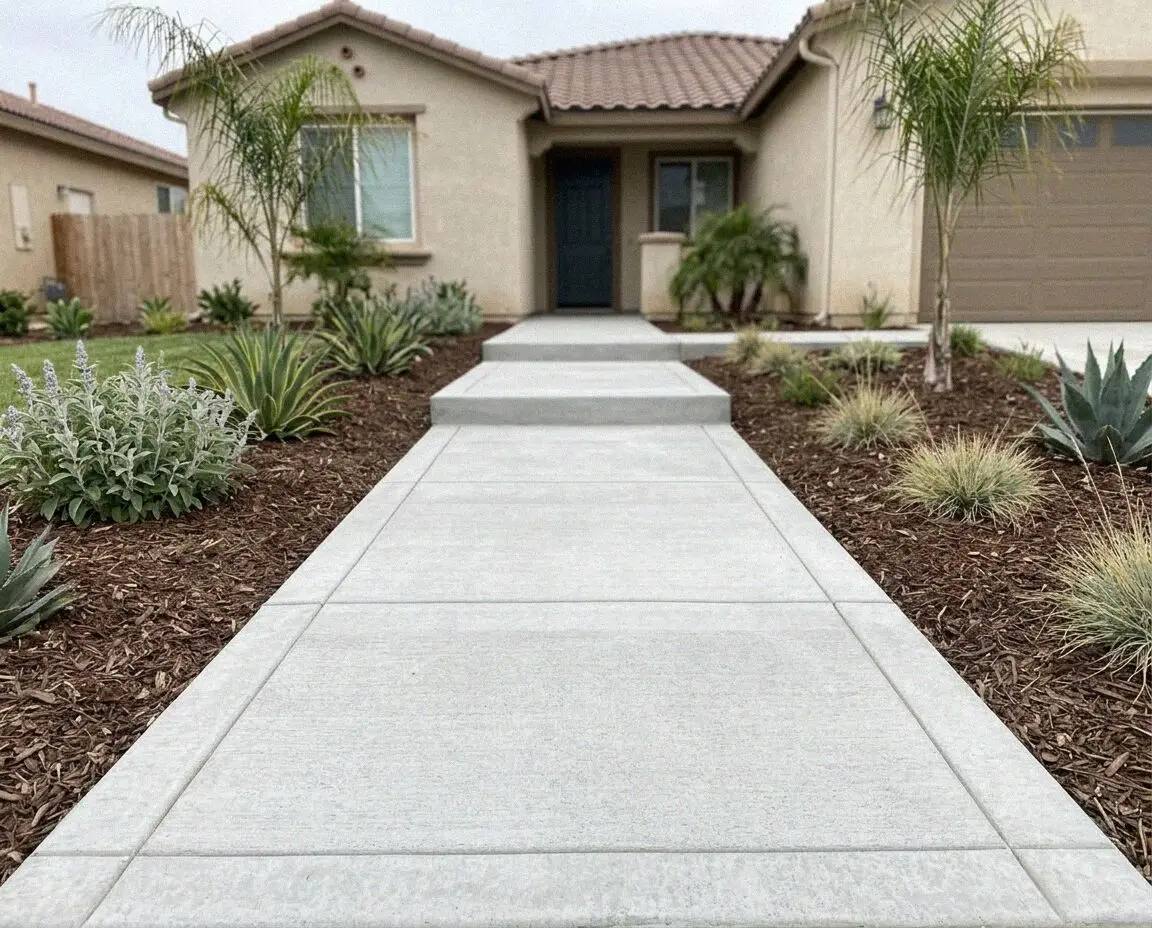
Finished concrete entry steps leading to a Moreno Valley front porch

Site Standards

How We Cast Entry Steps in Moreno Valley

Front stairs across Moreno Valley fail when builders pour them directly onto unprepared ground without anchoring them to the main foundation. According to the USDA Web Soil Survey, local soils contain expansive clays that shrink during dry summer heat and swell with winter rains. That cyclical movement lifts and pulls detached concrete away from the home, leaving wide gaps, broken risers, and tilted step treads that invite tripping.

Terrence Boyd brings 12 years of concrete experience prior to launching the company in 2022, pouring steps as integrated structures rather than hollow caps. The crew drills into the existing house stem wall or footing, inserting 0.5 inch steel rebar dowels secured with structural epoxy. This physical connection bonds the new staircase directly to the residence, ensuring the steps remain level even when surrounding subgrade soils shift.

Operating under California Contractors State License Board license class CSLB C-8, the business maintains liability insurance on every job. Every staircase build includes a written workmanship guarantee against defects in how it was built. By digging footings 12 inches into stable subgrade and pouring 4000 PSI concrete over compacted crushed stone, the crew eliminates the sinking and cracking that ruin ordinary residential front steps in the region.


Visual Signs

When Are Moreno Valley Concrete Steps Past Repair?

Separation from the Porch

A visible gap opening between your top step and the foundation wall indicates that the stair block is sliding away. As soil underneath shrinks during dry summer spells, unsupported concrete pulls forward. Left uncorrected, water enters the seam and erodes the supporting dirt.

Clay Soil Tread Tilting

Treads tilting outward or toward one corner reveal active clay soil heave beneath the footings. In subdivisions built during the 1980s, steps were often poured without deep piers. When summer heat exceeds 100 degrees, dry soil drops, causing the unanchored steps to lean unevenly.

Hairline Riser Fractures

Fine cracks running along the front face of vertical risers look cosmetic at first glance, but they signal internal rebar corrosion. Surface moisture seeps into these fissures, rusting the internal steel reinforcement over 12 to 18 months and causing the concrete face to spall.

Uneven Riser Heights

A bottom step that sinks lower than the remaining stairs creates an immediate trip hazard. When one riser differs by more than 0.375 inches, building codes flag the entry. Waiting six months allows continued settlement, turning a simple rebuild into an expensive footing repair.

Full Standards

What Every Moreno Valley Step Build Includes

Every step installation is engineered to anchor directly into solid structural footings, protecting your home entrance against the ground settlement and seasonal clay shrinkage that crack unsupported stairs across the city.

Complete Step Tear Out

Old broken concrete steps are broken down, loaded into haul trailers, and recycled cleanly away from your front entryway.

Subgrade Soil Testing

The crew inspects underlying soil density, excavating soft clay pockets down to firm ground before any forms are placed.

Compacted Aggregate Base

A 4 inch base of crushed rock is compacted mechanically to create a stable drainage pad that prevents moisture pooling.

4000 PSI Concrete Mix

We pour 4000 PSI commercial concrete as standard, with air entrainment additives available for severe heat exposure.

Tooled Bullnose Edges

Step edges receive rounded bullnose edging during finishing to resist chipping and reduce pedestrian tripping hazards.

Epoxy Rebar Anchors

Steel rebar dowels measuring 0.5 inches drill into the house slab with structural epoxy, locking steps against shifting.

Site Cleanup and Wash

Form boards are stripped, concrete splatters are washed from adjoining walls, and surrounding landscape beds are raked.

Workmanship Guarantee

Every completed installation includes a written workmanship guarantee against defects in how it was built for your full protection.

Build Options

Four Ways to Construct Moreno Valley Steps

Different home elevations and ground slopes require specific construction methods, balancing structural foundation anchoring, long term durability, and maintenance needs against the dry summer climate of the Inland Empire region.

OptionLifespanIdeal HomeMaintenanceBuild Time
Standard Broom Finish30 to 40 yearsModern tract homes on level padsOccasional washing with hose2 to 3 working days
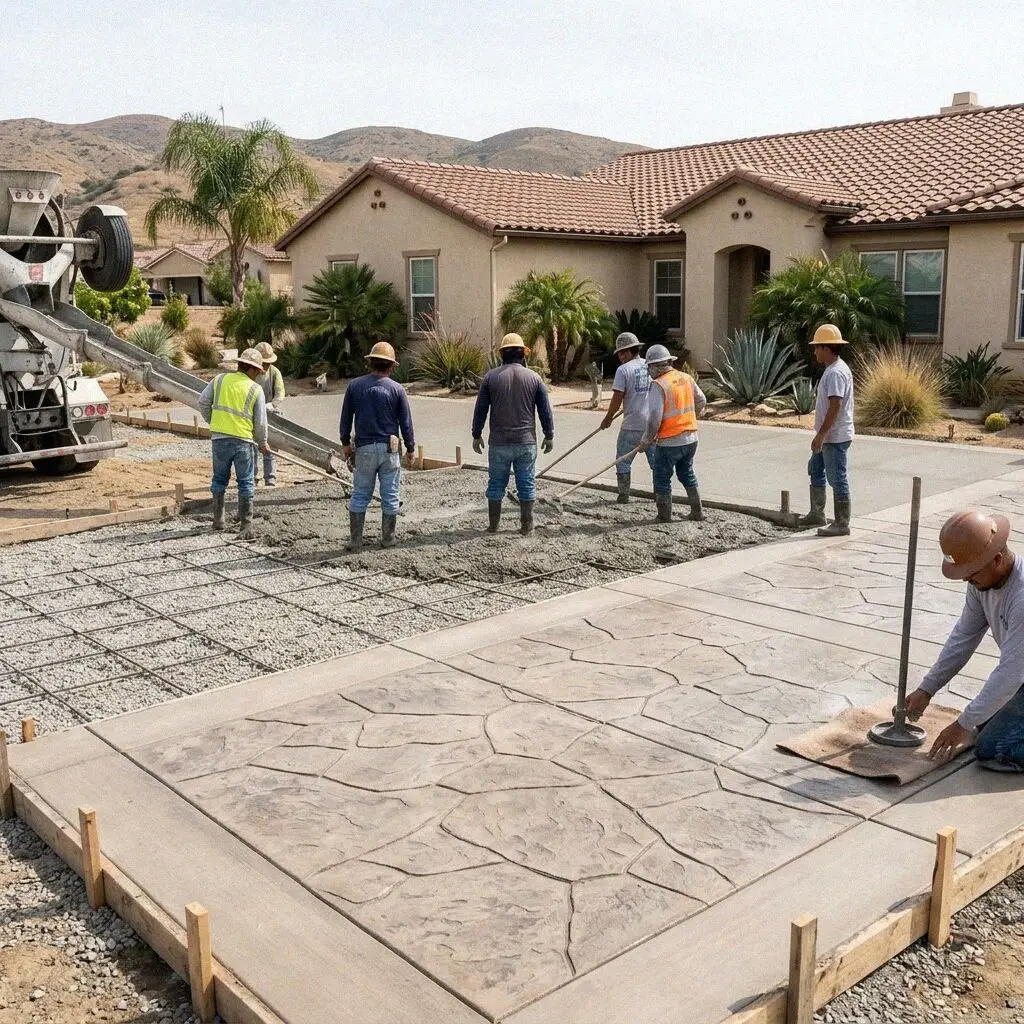
Stamped Concrete Steps35 to 45 yearsUpgraded front entries and decorative patiosSilicone sealing every 3 years3 to 4 working days
Exposed Aggregate Steps40+ years of active lifespanMidcentury ranch homes in SunnymeadClear sealer applied every 4 years3 to 4 working days
Cantilever Floating Steps30 to 40 yearsSteep terraced slopes and tight side yardsAnnual visual check of anchors3 to 5 working days

Our team evaluates your porch height, soil conditions, and step footprint during the visit to determine the right build method for your property.

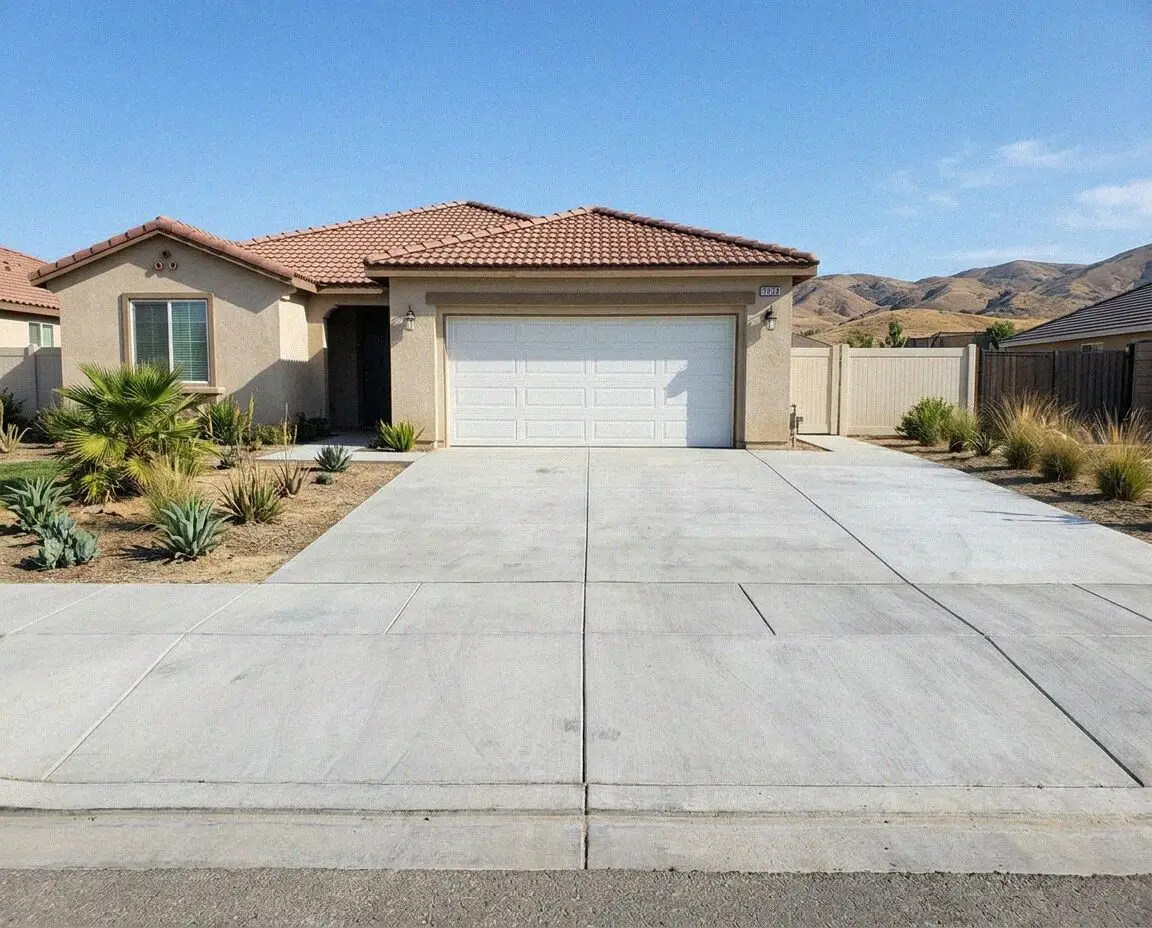
Newly poured concrete porch steps at a Moreno Valley residence

Local Conditions

Why Steps in Moreno Valley Pull from Slabs

Moreno Valley combines summer temperatures exceeding 100 degrees with expansive alluvial soils that shrink dramatically, moving unanchored concrete steps.

In a city where owner occupied homes account for 60.5% of properties across Riverside County, front steps take relentless daily foot traffic under intense inland sunlight. The valley floor rests on deep alluvial silt and clay beds washed down from the surrounding hills. During the dry season from May through October, the ground loses moisture and recedes away from foundations. When unpinned steps lose ground contact, the stair structure tilts outward and cracks along the top joint.

With an average household of 4.3 people using entry stairs multiple times every day, stair runs require heavy structural reinforcement to remain durable. Guidelines from the Portland Cement Association recommend continuous rebar cages tied directly into house pads on reactive soils. We place footings below the active expansion zone, pouring high early strength concrete that cures properly even during prolonged triple digit afternoon weather.

Work Sequence

How We Build Concrete Steps in Moreno Valley

Each stage of our stair construction isolates the structure from shifting surface soil and bonds it firmly to the house footing, delivering safe entry treads that remain level through every season.

1

Site Elevation Survey

We measure doorway height, calculate rise and run dimensions to meet code, and test soil hardness directly at your front entry.

2

Design and Permitting

You select finishes while we file drawings with the Moreno Valley Community Development Department and schedule the pour date.

3

Demolition and Subgrade

Day one clears away damaged concrete to an approved recycling facility, excavates soft soil, and compacts a stable stone base.

4

Forming and Pouring

Crews erect sturdy forms, tie 0.5 inch rebar dowels into house footings, and pour 4000 PSI concrete under on site supervision.

5

Finishing and Handover

We tool non slip tread textures, clear form boards and job debris, complete a final walk through, and supply your guarantee.

Estimate Guide

What Determines the Cost of Moreno Valley Steps

Every property requires an individualized structural assessment because total tread count, elevation changes, access restrictions, and subsurface footing conditions shape the labor and materials needed for the pour.

Single Family Front Porches

Standard front entries require two to four steps, where total riser count and direct wheelbarrow access dictate project labor.

Multi Unit Shared Staircases

Wider commercial width treads and dual handrail footings increase concrete volume and excavation time across rental properties.

Steep Slopes and Hillside Lots

Properties situated along the Box Springs hills require stepped retaining footings, hand dug piers, and manual concrete pumping.

Decorative Surface Finishes

Color admixtures, selected stamp patterns, and acid stains require on site sun exposure evaluations before mix formulations lock.

Every estimate is measured and written on site We evaluate ground slopes, access routes, and structural attachment points before providing any project quotation. (951) 647-5520 or send us a message.

Book Your Onsite Concrete Step Estimate

Schedule an on site evaluation to inspect your shifting front stairs and review exact rebar anchoring requirements. We measure every riser on location and deliver a clear written proposal tailored to your property.

Request a Free Estimate

Written on site · No obligation

By submitting, you agree to our disclosure and consent terms, including being contacted by Moreno Valley Concrete Pro.

Client Feedback

Recent Concrete Step Work Across Moreno Valley

Local homeowners share how our rebar doweling and footing preparations stopped stair settling, eliminated dangerous trip hazards, and restored clean curb appeal to their entrances.

Google review

“Our four porch steps had separated almost two inches from the house wall due to shifting clay. Terrence explained why doweling rebar into the foundation was necessary. His crew formed and poured a solid four step flight in two days, and it has not budged at all.”

M. Ramirez, Moreno ValleyConcrete Steps · Google · 2026
Google review

“We needed six wide steps built along a steep side yard with narrow gate clearance. The crew hauled base rock by hand and pinned each riser directly into a deep footing. The entire build took three days from tear out to finish, giving us a rock solid path down the slope.”

J. Okafor, Moreno ValleyConcrete Steps Construction · Google · 2026
Facebook review

“After finishing our five front entry steps in three days, the owner walked the entire surface with us, checking riser heights with a level. He handed over our written guarantee and cleaned the walkway spotless. Knowing the work is backed in writing gives us confidence.”

S. Whitfield, Moreno ValleyConcrete Steps Construction · Facebook · 2026

Common Queries

Concrete Steps Questions Asked in Moreno Valley

Clear answers regarding structural step anchoring, project timelines, local city permits, and our written workmanship coverage before scheduling your build.

(951) 647-5520
  • What factors determine concrete steps cost?

    The total estimate depends on step count, site access, footing depth, and removal requirements. A simple two step replacement with direct front yard access requires minimal demolition and straightforward formwork. Jobs on sloping hillsides requiring deep footing excavation, long distance wheelbarrow transit, or decorative stamped surfaces require more labor hours and materials.

  • How long does concrete steps construction take?

    A standard set of residential concrete steps takes two to three working days to complete. Demolition and base preparation consume the first day, while forming, rebar doweling, and pouring happen on the second. Tight side yard access or complex hillside footing requirements can extend the build by an extra day. Steps need 48 hours of curing before normal foot traffic.

  • What is included in concrete steps construction?

    The complete scope covers old step removal, subgrade compaction, steel rebar reinforcement, and concrete pouring. The estimate explicitly details two inclusions homeowners often expect to pay extra for, listed as Mechanical Base Compaction and Foundation Dowel Anchoring. Debris hauling, bullnose edge tooling, and final jobsite cleanup are also provided as standard items.

  • Do I need a permit for concrete steps construction?

    Yes, replacement steps attached to a residential structure or stairs with more than two risers require a building permit. We submit plans and pull permits directly through the Moreno Valley Community Development Department on your behalf. Small freestanding single step landings below 30 inches above grade do not need permits, but retaining walls over four feet always do.

  • When is the ideal season to build concrete steps?

    Fall and spring offer ideal conditions for pouring steps in Moreno Valley. Mild temperatures between 65 and 80 degrees allow concrete to hydrate gradually, developing maximum structural strength. Pouring during midsummer heat over 100 degrees accelerates water loss, requiring continuous surface misting and shade covers to prevent premature flash drying and surface shrinkage cracks.

  • What guarantee covers new concrete steps?

    The work carries a written workmanship guarantee against defects in how it was built. Concrete suppliers provide a standard material defect warranty. The guarantee covers structural cracking, joint separation, and settlement resulting from improper preparation or unanchored doweling. It does not cover chips caused by impact, chemical deicers, or extreme ground movement.

  • Which materials and equipment do you use for steps?

    We pour Cemex 4000 PSI commercial grade ready mix reinforced with grade 60 steel rebar dowels. For decorative projects, we offer Davis Colors integral pigments and Butterfield stamp textures. Our crews use gas powered plate compactors to consolidate subbase gravel and rotary hammer drills to set rebar securely into existing foundations.

  • Do I need to be home during step construction?

    No, you do not need to remain on site during the build if our crew has exterior gate access, water, and power. Before we arrive, ensure pets are secured indoors and vehicles parked outside the driveway work zone. Keep off the fresh concrete treads for 48 hours following the pour. If questions arise during construction, contact Terrence Boyd directly.

Service Towns

Where We Pour Concrete Steps Around Moreno Valley

From Sunnymead Ranch to Rancho Belago, our crews construct structurally reinforced entry steps built to withstand expansive clay soils throughout the Inland Empire.

Show All Areas We Serve

Schedule Your Moreno Valley Step Consultation

We inspect your current step settlement, measure door thresholds, and assess foundation dowel points on site. Submit your project details to receive a callback within 1 business day with a written estimate.